
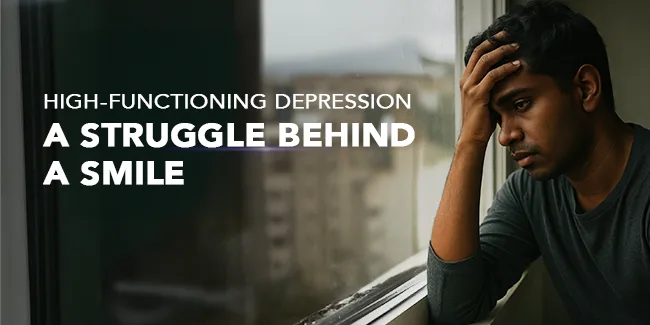
High-Functioning Depression: A Struggle Behind a Smile
In today’s fast-paced world, depression does not always appear the way we imagine it. Many people assume depression means being unable to get out of bed, losing all motivation, or withdrawing completely from daily life. While this is true for some, there is another, less obvious form in high-functioning depression.
This condition allows individuals to maintain jobs, relationships, and even appear successful, all while silently battling feelings of emptiness, fatigue, and despair. Because the signs are subtle, high-functioning depression is often overlooked, delaying much-needed support and treatment.
What Is High-Functioning Depression?
High-functioning depression is not an official clinical diagnosis but is often linked to Persistent Depressive Disorder (PDD), also known as dysthymia. Unlike major depressive disorder, symptoms may be milder but longer-lasting…sometimes persisting for years.
People with this condition often:
- Appear confident and accomplished in public.
- Push through daily responsibilities despite inner exhaustion.
- Struggle with low mood, irritability, or hopelessness privately.
- Experience chronic fatigue, disrupted sleep, or lack of joy in hobbies.
Because they “function well enough,” friends, family, and even doctors may miss the signs.
Why It Matters
Ignoring high-functioning depression can have serious consequences:
- Burnout and worsening depression due to unaddressed emotional strain.
- Physical health impacts such as weakened immunity, poor heart health, or chronic pain.
- Strained relationships, as irritability or emotional detachment slowly erode trust.
Left untreated, high-functioning depression can progress to more severe forms of depression or anxiety, making early detection and support crucial.
Spotting the Hidden Signs
Since those with high-functioning depression often hide their struggles, self-awareness and gentle observation are key. Look out for:
- Constant fatigue despite regular sleep.
- A “flat” mood or reduced emotional range.
- Going through the motions of life without true enjoyment.
- Overcompensating with perfectionism or overwork.
- Subtle withdrawal—fewer social outings, less engagement in conversations.
If you or someone you love resonates with these symptoms, reaching out for professional help is an essential first step.
Managing High-Functioning Depression
The good news is that this condition is highly manageable with the right support system.
Evidence-based therapies such as Cognitive Behavioural Therapy (CBT) and psychotherapy help individuals reframe thought patterns, process emotions, and develop resilience.
Regular exercise, balanced nutrition, mindfulness, and structured routines can greatly improve mood and energy levels.